The short answer
For most buyers, no. Legacy SHA-256 machines such as the Antminer S9 family turn power into hashes far less efficiently than current models, and that gap, not the low sticker price, decides whether they make money. This guide shows the size of the gap using our catalog specs.
Power cost: S9 against modern machines
| Miner | Hashrate | Power | Efficiency | Power cost per TH/day at $0.07 | Whole-machine cost per day at $0.07 |
|---|---|---|---|---|---|
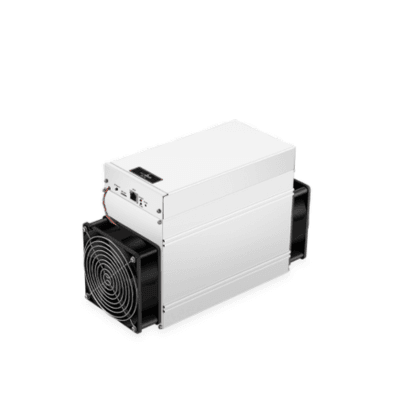
| Antminer S9k 13.5Th/s | 13.5 TH/s | 1148 W | 85 J/TH | $0.1428 | $1.93 |
| Antminer S9i 14.5TH/S | 14.5 TH/s | 1320 W | 91 J/TH | $0.1529 | $2.22 |
| Antminer S9 Space Heater Edition | 13.5 TH/s | 1350 W | 100 J/TH | $0.1680 | $2.27 |
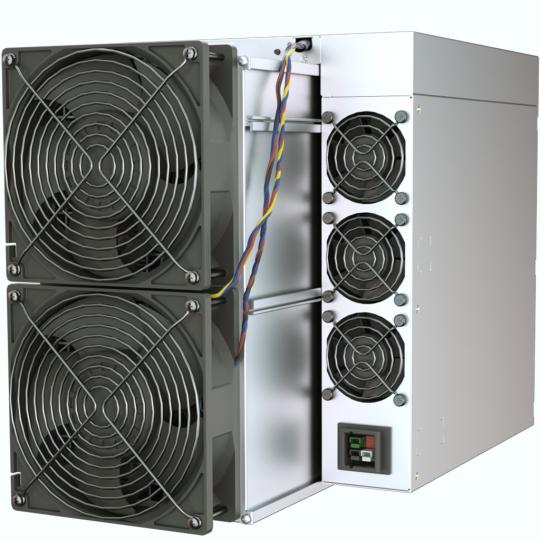
| Antminer S21 Pro | 234 TH/s | 3510 W | 15 J/TH | $0.0252 | $5.90 |
| Avalon A1566HA | 480 TH/s | 5400 W | 11.3 J/TH | $0.0190 | $9.07 |
At $0.07 per kWh, the Antminer S9k 13.5Th/s costs about $0.1428 per TH per day in electricity, versus $0.0252 for the Antminer S21 Pro. That is roughly 5.7 times more power per terahash. The network must pay 5.7 times as much per TH/s before the old machine merely covers its own electricity. (Efficiency and price values are catalog specs; the electricity rate is an assumption.)
What about the Antminer S15?
The S15 sits between the S9 and modern machines in efficiency, but it is not in our catalog, so we do not list a price or specs for it. If you are weighing an S15 elsewhere, run the same formula from our break-even guide: efficiency in J/TH × 24 ÷ 1000 × your rate, then compare with live hashprice.
When a legacy miner still makes sense
When it does not
What to buy instead
If you want to mine for profit, step up to a current-generation machine with a low J/TH. The Antminer S21 Pro and Avalon A1566HA in the table above cost far less to run per terahash. Compare more in the Bitcoin miners collection.
Yearly cost and the hashprice each S9 needs
Running continuously for a year, the S9-class machines in the catalog consume the following electricity, and need at least this hashprice just to pay for it. Both columns use the catalog spec and the stated electricity rates.
| Miner | Yearly power at $0.04/kWh | at $0.07 | at $0.10 | Break-even hashprice at $0.07 |
|---|---|---|---|---|
| Antminer S9k 13.5Th/s | $402 | $704 | $1006 | $0.1428 per TH/day |
| Antminer S9i 14.5TH/S | $463 | $809 | $1156 | $0.1529 per TH/day |
| Antminer S9 Space Heater Edition | $473 | $828 | $1183 | $0.1680 per TH/day |
Compare the break-even column with live hashprice from a public tracker. If live hashprice is below the figure for your rate, the machine loses money on electricity alone before any other cost.
Heat value: the S9 as a heater
Every watt an S9 draws becomes heat. The Antminer S9 Space Heater Edition draws 1350 W, which is about 4,606 BTU per hour, and the Antminer S9k 13.5Th/s at 1148 W produces about 3,917 BTU per hour. In a room that needs heat, that output replaces electric heating, so the mining income is a bonus instead of the reason for the purchase. Outside heating season, or in a hot climate, the same heat becomes a cooling cost and the maths turns against you.
A short buying checklist for older miners
Frequently asked follow-ups
Is the S9 worth it for a beginner? Only as a heater or learning tool. A first-time miner seeking income should compare current-generation options from the Bitcoin miners collection.
Why is the S9 so cheap? Because its efficiency makes it uncompetitive at normal electricity prices. The low sticker price is the market recognising that.
Will the price ever justify it? Only when hashprice rises well above the break-even numbers above. Nobody can promise that, so do not buy on the hope of it.
Bottom line
Legacy miners are a niche tool, good for heat and experimentation, not for profit-first mining. Prices and specs are from our catalog at the time of writing; power costs are modeled using the stated rate and are not earnings forecasts.