Short answer
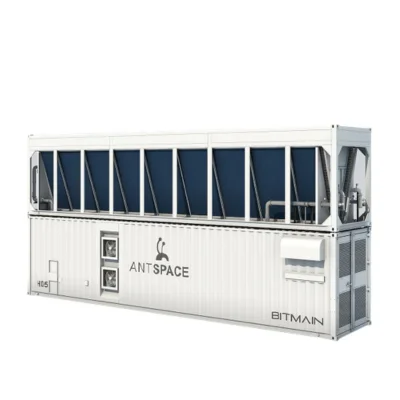
Hydro containers are usually the clearer fit when your fleet is made of purpose-built hydro ASICs and you want a familiar closed-loop cooling design. Immersion containers are for fleets and teams prepared to manage dielectric fluid and a different maintenance model. Neither option is a universal upgrade.
| Factor | Hydro container | Immersion container |
|---|---|---|
| Hardware | Purpose-built hydro miners | Only approved immersion-compatible hardware |
| Core operating task | Water loop, pumps and heat rejection | Fluid condition, pumps, heat exchange and handling |
| Buying risk | Wrong miner or electrical match | Wrong miner, fluid or service capability |
| Best starting point | Operator with a defined hydro fleet | Operator with specialist technical support |
Start with the site, not the product name
A cooling decision should follow a heat-rejection and electrical design. Ask what ambient temperature the site must survive, how heat will be rejected, how outages are managed and who services the system. Then shortlist containers that match the selected ASIC fleet.
Where to buy
Request a written configuration proposal, not just a product link. It should identify the container model, intended miner types, power envelope, cooling equipment, safety requirements, freight terms and commissioning scope. That is the document you can compare across suppliers.
Bottom line
The better container is the one with verified compatibility and an operational plan behind it. Buying on a headline capacity alone is how container projects become site problems.
Sources and buying route
Container infrastructure is configured per site. Confirm electrical service, water quality, freight, commissioning, warranty coverage and final compatibility before placing an order. Request a project quote from MinerHaolan.