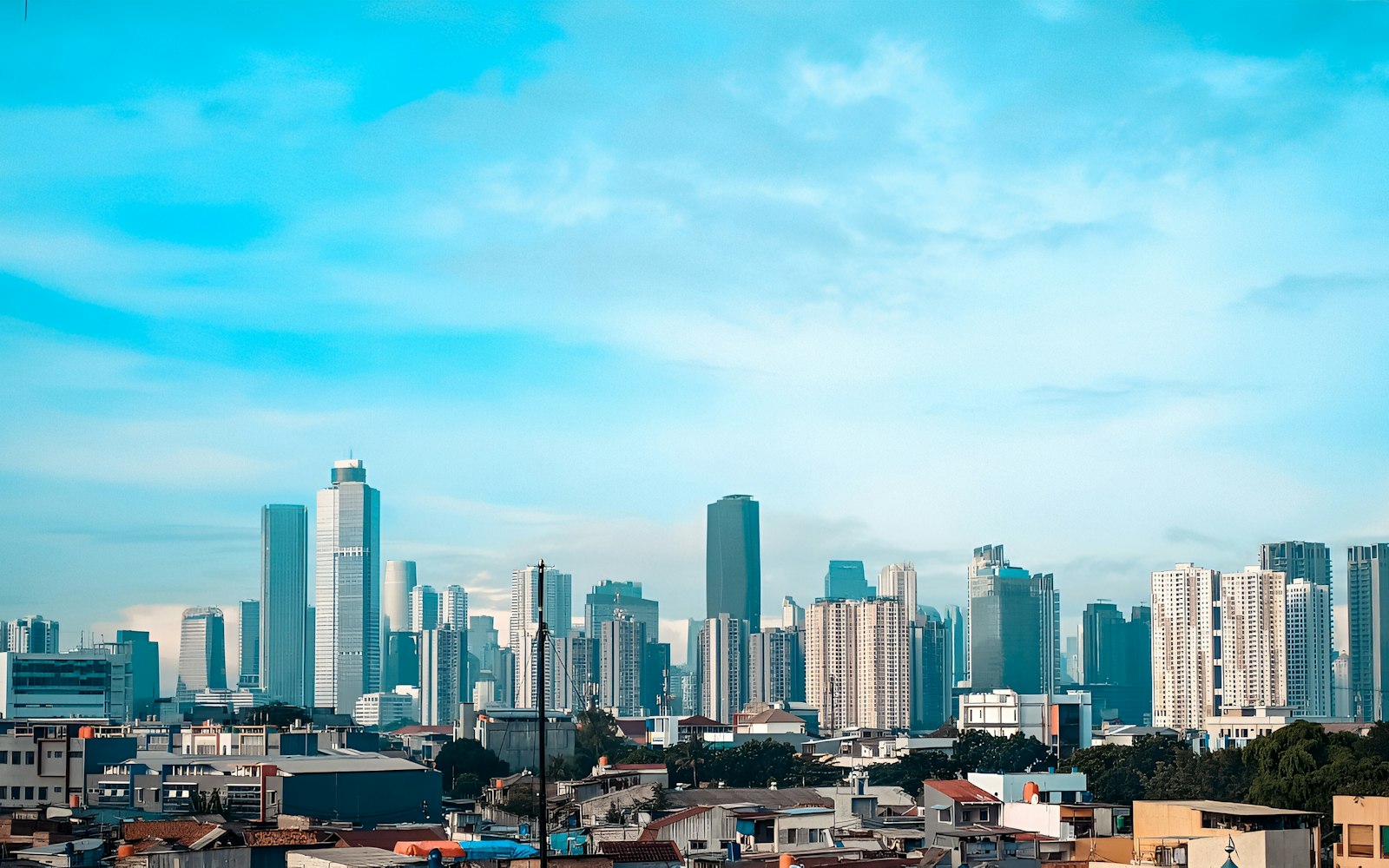
An air-cooled ASIC dropped into a closed room in Jakarta, Surabaya, Batam, or Medan is fighting two problems at once: ambient heat and humidity that rarely drops. Indonesia's climate is tropical — hot and extremely humid year round across the archipelago — and that combination is harder on mining hardware than dry heat of the same temperature, because moisture doesn't just make a room feel hotter, it creates a separate failure path through condensation and corrosion that dry-climate buyers never have to think about.
This isn't a reason to avoid mining in Indonesia. It's a reason to pick the right cooling type and set up ventilation correctly before the miner is running 24/7. Below: what the humidity actually does to hardware, real specs on air, hydro, and immersion-cooled units from our live catalog, and the practical setup steps that matter more than which model you buy.
Quick facts
| Indonesia climate | Tropical — hot and extremely humid year round (varies by island/grid, not by season) |
| Surabaya specifically | 31–35°C ambient, ~80% humidity, hottest Sep–Oct |
| Jakarta / Batam / Medan | Tropical, hot and humid year round |
| Cooling types in stock | Air, hydro (closed-loop liquid), immersion (dielectric fluid) |
| Shipping | DHL worldwide, $150 flat, free over $5,000 |
| Warranty | 6–12 months manufacturer, extendable to 18 months via paid Premium Guarantee |
Why humidity is a separate problem from heat
A hashboard doesn't know the difference between 32°C dry air and 32°C air at 80% relative humidity in terms of how much heat it needs to shed — the thermal load is similar. But humidity adds two failure modes that dry heat doesn't:
Condensation. Warm, moisture-laden air holds more water vapor than cool air. When that air contacts a cooler surface — a heatsink right after power-down, a case near an air-conditioning duct, a cold water line on a hydro unit's radiator loop — the excess moisture condenses directly onto exposed metal and circuit board. Condensation on a PCB is a common cause of electrochemical migration: moisture and contamination form a conductive path between solder points that were never meant to be connected, showing up later as an intermittent fault or a dead board.
Dust plus moisture. Mining rooms are dusty — fans pull air continuously, and that air carries whatever is in the room. In a dry climate, dust settling on a board is mostly a thermal problem (it insulates the heatsink). In a humid one, dust absorbs ambient moisture and becomes a thin conductive paste sitting directly on exposed traces and connector pins, accelerating corrosion on solder joints that would otherwise last years. This is standard electronics-reliability physics, not something specific to any one miner — it's why server rooms and telecom sites specify controlled humidity ranges in the first place.
Neither of these is a reason to panic about a single home unit. It's the reason to think about airflow direction, intake air quality, and — for anything run continuously at scale — whether air cooling is even the right call for the climate.
Indonesia's climate, city by city
Indonesia's tropical climate doesn't swing between a hot season and a cold one the way a temperate climate does — it's hot and humid essentially all year, with the differences between cities coming from grid and geography rather than dramatically different weather:
For the full picture on which Indonesian region makes sense for a given power price and import route, see our Indonesia ASIC miner buying guide.
Air cooling: what actually helps in this climate
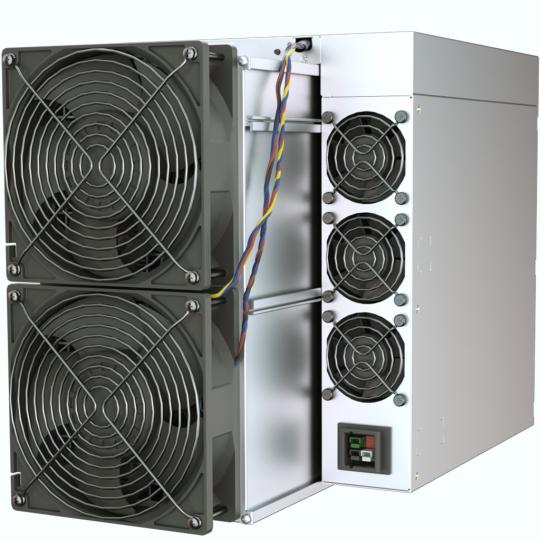
Air cooling is the default on nearly every ASIC we sell, and it's the right call for a single home unit or a small rack almost everywhere — including Indonesia — as long as the setup accounts for the climate rather than ignoring it. A few things matter more than the specific model:
Ventilation direction, not just volume. A miner pulling intake air from inside a sealed room is just recirculating its own exhaust heat. Intake should draw from outside or from a larger, cooler space; exhaust should vent outside the room entirely, not into an attic or a closed hallway.
Negative-pressure exhaust. Running the room's exhaust fans slightly stronger than the intake fans keeps the room under negative pressure relative to outside, so humid outside air is pulled in through a filtered path you control rather than through gaps and joints you don't. This also reduces how much dust-laden air bypasses your intake filter.
Keep intake air below ambient where you can. You don't need refrigerated air-conditioning for a single unit, but shading the intake, drawing air from the coolest available side of a building, or running the miner overnight-heavy in a schedule all reduce how close the hashboards run to their rated ceiling. Check the specific unit's PSU or control-board label for its rated intake temperature range — this varies by model, so read the label rather than assuming.
Dehumidification for enclosed spaces. If the miner lives in a genuinely sealed room (not just a well-ventilated one), a standalone dehumidifier is a cheap way to cut the condensation risk described above, especially overnight when temperatures drop and humidity spikes are most likely to hit dew point on a cool surface.
Hydro and immersion: when the extra cost is worth it
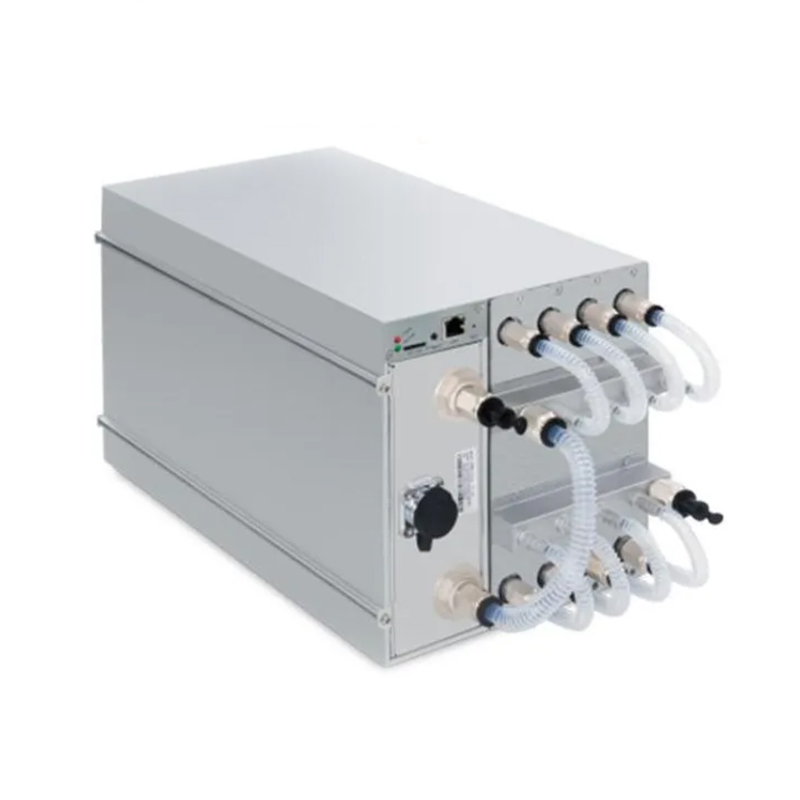
Hydro (closed-loop liquid cooling to an external radiator) and immersion (submerging the board in dielectric fluid) both remove the hashboard from direct contact with room air almost entirely. That solves the humidity problem at the hardware level instead of the room level — the board isn't sitting in humid air to begin with.
Hydro makes sense once you're running enough hashrate that room heat load, not just individual unit reliability, becomes the constraint — the heat still has to go somewhere, but it's rejected through a radiator loop rather than dumped as hot exhaust into the room. It also tends to run quieter than the equivalent air-cooled unit at the same hashrate.
Immersion goes further: the board never contacts room air at all, so condensation and dust-plus-moisture corrosion are effectively eliminated for the submerged components. That's the strongest answer to Indonesia's humidity, but also the highest setup cost — a fluid tank, pump, and heat exchanger, versus a rack and ductwork for air.
For a single home unit, immersion is usually overkill — the cost buys reliability margin you don't need at that scale, and ventilation plus a dehumidifier handles the real risk for far less money. It starts paying off once you're running several units continuously, where the room's total heat and moisture load is harder to manage with ventilation alone.
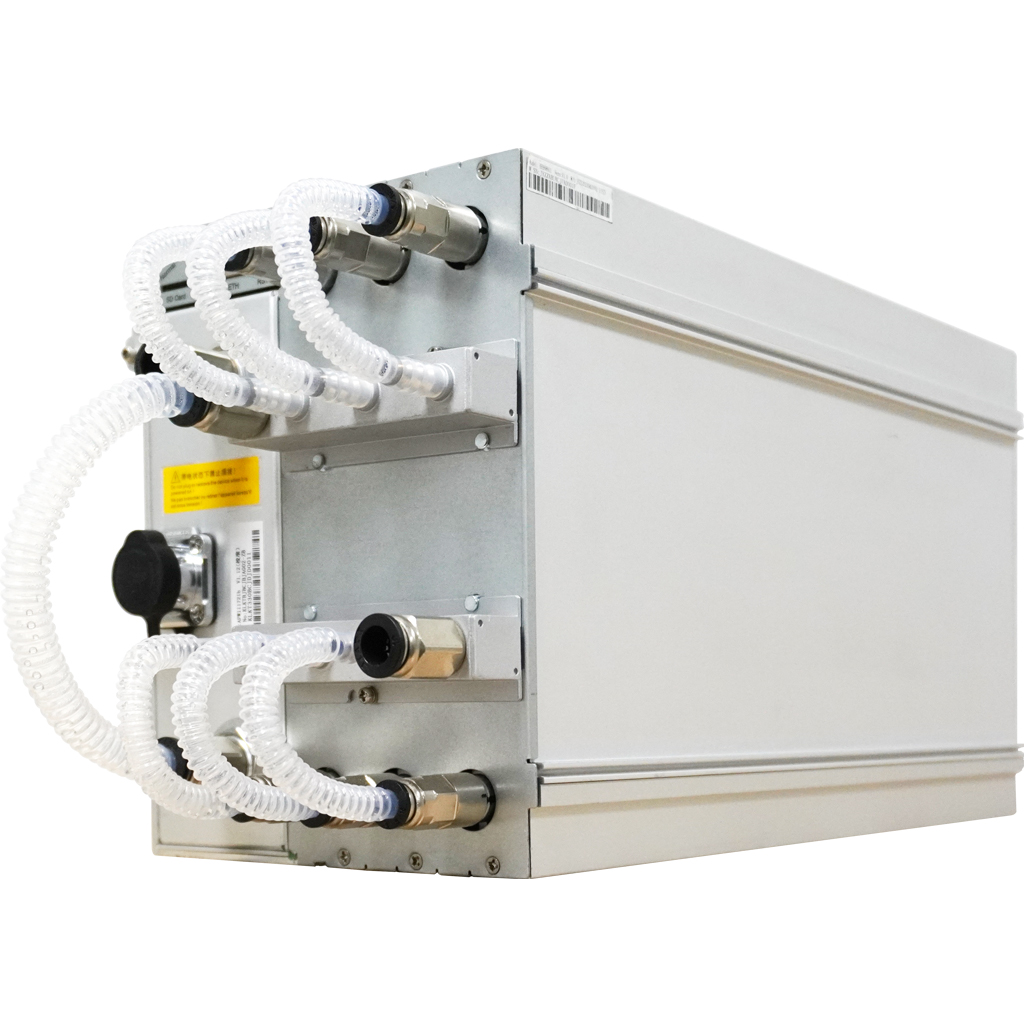
Real specs: air vs. hydro vs. immersion, live catalog
Prices and specs below are pulled directly from our current inventory — nothing here is estimated.
| Model | Type | Hashrate | Power | Efficiency | Price | Best for |
|---|---|---|---|---|---|---|
| Antminer S21+ | Air | 216 TH/s | 3,564W | 16.5 J/TH | $3,600 | Air-cooled flagship — needs real ventilation planning in this climate |
| Antminer S21 Pro | Air | 234 TH/s | 3,510W | 15 J/TH | $4,950 | Best efficiency available air-cooled |
| Antminer S19 Hydro | Hydro | 158 TH/s | 5,451W | 34.5 J/TH | $1,620 | Lowest-cost entry into liquid cooling |
| Antminer S21e Hydro | Hydro | 320 TH/s | 5,280W | 16.5 J/TH | $4,050 | High hashrate with the humidity problem solved at the board |
| Avalon A1566HA | Hydro | 480 TH/s | 5,400W | 11.3 J/TH | $2,520 | Highest hashrate-per-dollar in our hydro lineup |
| Avalon A1566I Immersion | Immersion | 200 TH/s | 2,800W | 14.0 J/TH | $2,340 | Strong efficiency with full immersion protection |
| Antminer S21 Immersion | Immersion | 400 TH/s | 5,200W | 13 J/TH | $6,300 | Flagship hashrate, board never touches room air |
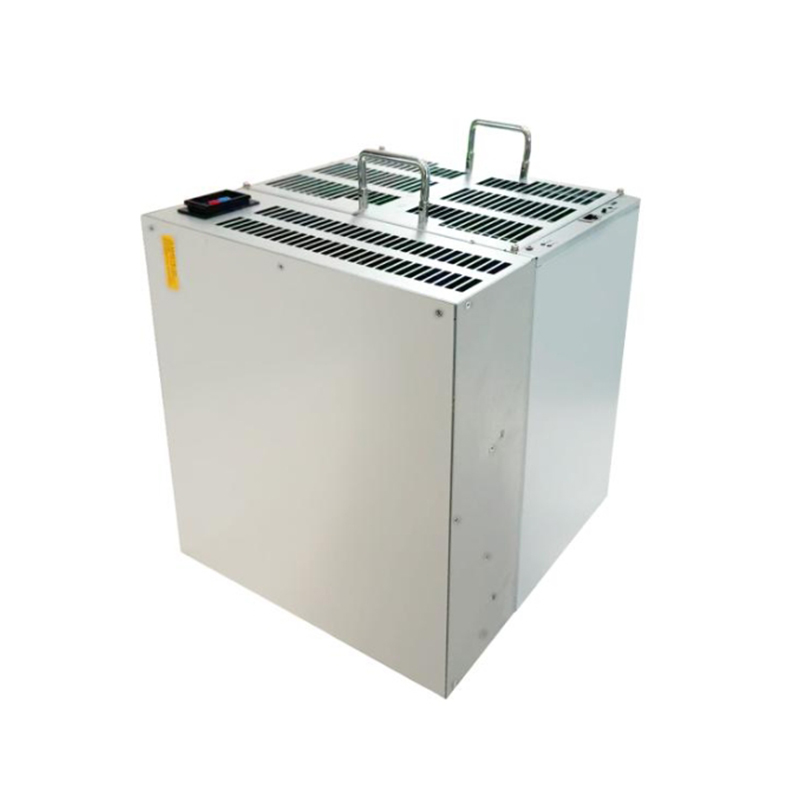
Note the efficiency spread: immersion units in this table post some of the best J/TH figures we carry, partly because immersion cooling lets the chips run at a more stable, lower junction temperature than the same silicon fighting humid room air — a direct engineering benefit of removing the humidity problem rather than working around it.
Shipping and warranty into Indonesia
We ship worldwide via DHL — $150 flat rate, free on orders over $5,000, which most of the immersion and multi-unit hydro configurations above clear on their own. Every unit carries 6–12 months of manufacturer warranty depending on model, extendable to 18 months through our paid Premium Guarantee. None of that warranty is contingent on cooling type, but a unit that's spent its service life fighting condensation and corrosion is more likely to need that warranty than one that hasn't.
Where to go next
Browse the full range of air, hydro, and immersion-cooled miners in stock, or read the Indonesia ASIC miner buying guide for the import, power, and regulatory side of buying into Jakarta, Surabaya, Batam, or Medan.