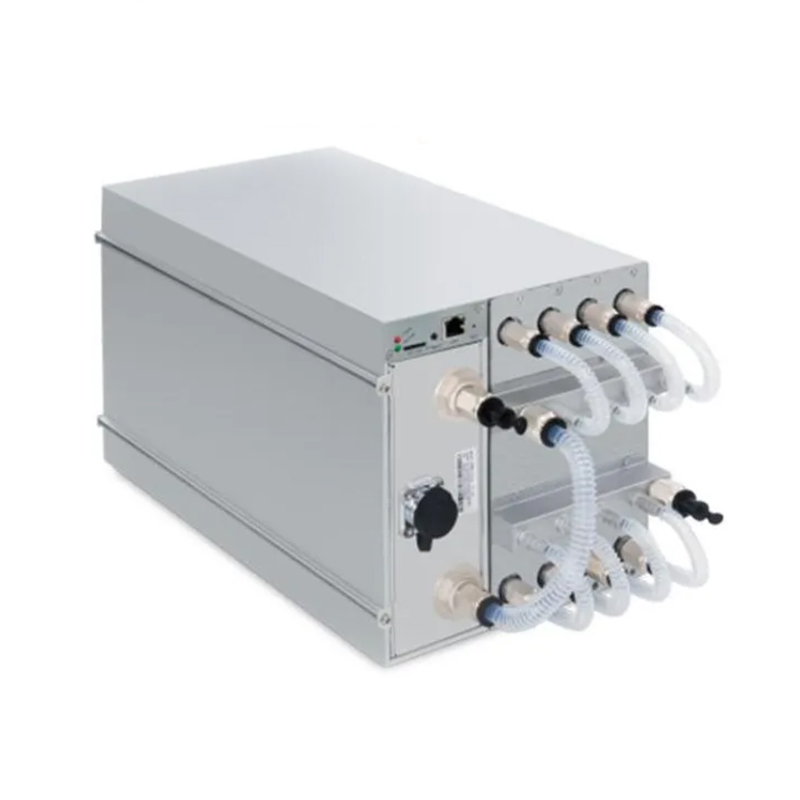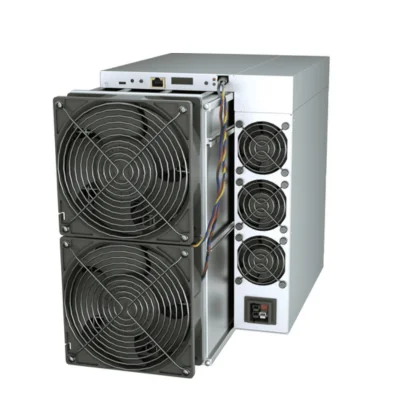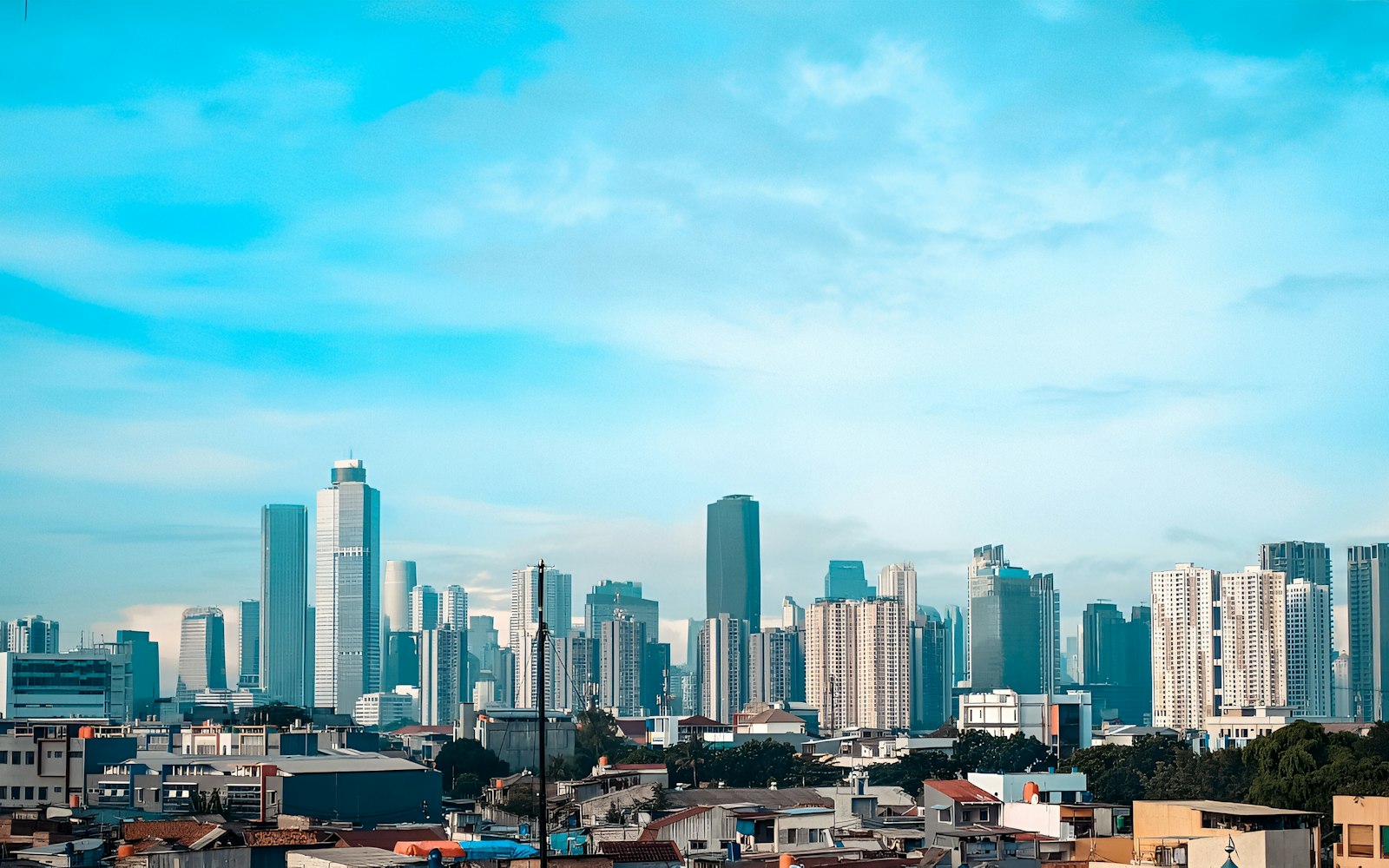
Indonesian buyers are already the most active Bitcoin-ASIC shoppers in Southeast Asia's marketplaces this year — Tokopedia and Shopee both carry dedicated aggregator pages for the Antminer S21 family, with Avalon A15-series and WhatsMiner M60-series machines trailing as the next-most-searched options. If you're buying from outside Indonesia, the machine you pick matters less than getting three things right: which SHA-256 miner fits your power price, what customs will actually charge when it lands, and whether the unit survives a Jakarta or Surabaya machine room without extra cooling spend.
This guide is the short version of all five. It tells you what to buy, what it costs landed, how it ships, and where to read the full detail on each.
Quick facts: what Indonesian buyers are choosing right now
| Model | Hashrate | Power | Efficiency | Price | Best for |
|---|---|---|---|---|---|
| Antminer S21 Pro | 234 TH/s | 3,510W | 15 J/TH | $4,950 | Best all-around efficiency, highest current demand on Indonesian marketplaces |
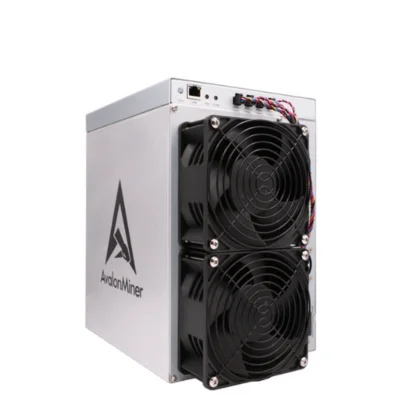
| Avalon A15XP | 206 TH/s | 3,667W | 17.8 J/TH | $1,389 | Lowest entry cost into the 200+ TH/s class |
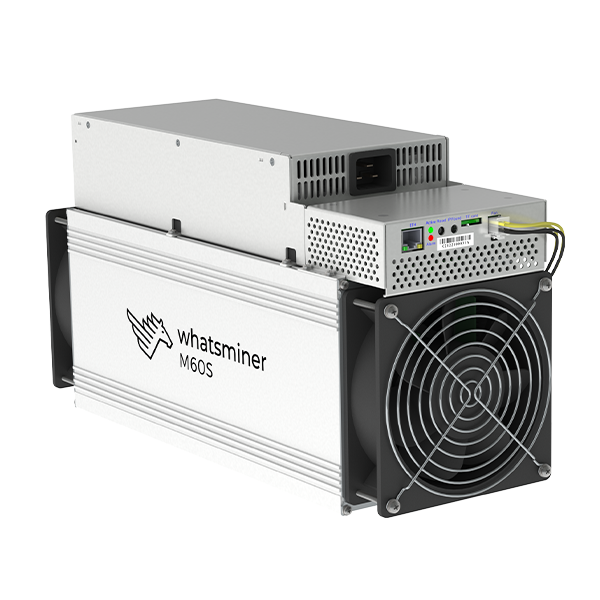
| WhatsMiner M60S | 186 TH/s | 3,422W | 18.4 J/TH | $2,250 | Mid-tier efficiency, installed base already running in Indonesia |
Prices and specs pulled directly from MinerHaolan's live catalog. All three ship from Hong Kong via DHL Express — $150 flat, free over $5,000.
In this guide
What are Indonesian buyers actually buying?
Bitcoin/SHA-256 hardware dominates. Tokopedia runs live "find" aggregator pages for the Antminer S21, S21 Pro, S21 XP, and S21 Hydro, and Shopee lists individual sellers offering the S21 in 188TH, 195TH, and 200TH configurations — some bundled as "buy 2 get 1" lots, a signal of reseller and small-farm buying rather than single-unit hobbyists.
Avalon A15-series and WhatsMiner M60-series machines are present but thinner. A regional reseller (Apexto Mining) runs an Indonesian-language product page specifically for the Avalon A15 Pro, showing deliberate targeting of that market, but most WhatsMiner listings found on Tokopedia were repair/service posts for older M30-series hashboards rather than new M60S sales — more a sign of an installed base needing maintenance than fresh buying interest.
Kaspa (IceRiver KS-series) and Litecoin/Dogecoin (Goldshell) machines exist on Tokopedia too, but at low price points aimed at home hobbyists. They're a real secondary market, not a competing demand pool against SHA-256 hardware.
The takeaway: if you're buying one machine for Indonesian conditions, the Antminer S21 family is where the most current marketplace activity is, with Avalon A15 and WhatsMiner M60 as the next tier.
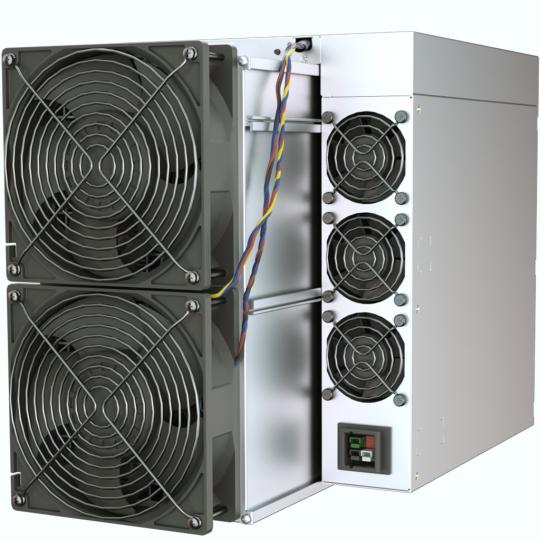
Antminer S21 vs Avalon A15: the short version
The S21 Pro (234 TH/s, 15 J/TH, $4,950) is the more efficient machine per terahash and the one with the deepest current demand signal in Indonesian marketplaces. The Avalon A15XP (206 TH/s, 17.8 J/TH, $1,389) costs less than a third of the S21 Pro's price for roughly the same hashrate class, trading some efficiency for a much lower entry price — a relevant trade-off given Indonesia's household power sits around $0.06-0.09/kWh, on the cheaper end globally, where efficiency matters less than it would somewhere paying $0.15+/kWh.
Bitmain's Antminer S21+ (216 TH/s, 16.5 J/TH, $3,600) sits between the two on both price and efficiency if neither extreme fits your budget.
This is a two-item comparison at its core (Bitmain vs Canaan flagship-class), so the full breakdown — bench-relevant specs, noise, ROI at Indonesian power rates — lives in the dedicated post: Antminer S21 vs Avalon A15 in Indonesia. If you're specifically sizing an Avalon A15 for 220V household power, see Avalon A15 Indonesia 220V buyer's guide.
What will customs charge landing in Jakarta or Surabaya?
A DHL Express shipment from Hong Kong is classed as barang kiriman (consignment/courier shipment) under Indonesian customs, governed by Peraturan Menteri Keuangan (PMK) No. 199/PMK.10/2019. The rule is tiered by declared FOB value:
VAT (PPN) on standard goods — which includes computer and mining hardware, not a luxury-goods category — is an effective 11%, calculated as 11/12 of Indonesia's 12% statutory VAT rate. Only genuine luxury goods pay the full 12%. (Bea Cukai, PMK 199/2019; DHL Indonesia import-duty guide)
Since most MinerHaolan orders run into the thousands of dollars, expect the shipment to clear as a formal import above the USD 1,500 threshold, with duty calculated on the HS code for computing/mining hardware rather than the flat 7.5% consignment rate. There's no crypto-specific import ban or licensing requirement for the hardware itself — ASIC miners aren't a restricted (LARTAS) category — and a personal DHL shipment doesn't require the buyer to hold a business import number (NIB) or SNI certificate; that compliance burden applies to commercial importers bringing in inventory for resale, not to a one-off personal order. The full duty/VAT worked math and HS-code detail is in ASIC miner import tax in Indonesia.
How long does DHL take from Hong Kong?
DHL's own Hong Kong-to-Indonesia shipping guide doesn't publish an exact transit-day figure for this lane. Its stated language is that parcels "typically arrive within a few working days," with Jakarta and Surabaya called out specifically as more consistently served than remote islands, where clearance and flight schedules add variability. (DHL, Hong Kong-Indonesia country guide)
What is concrete: DHL launched a dedicated direct Hong Kong-to-Jakarta freighter route in October 2024, flying four times a week and landing at 8:00am local time — the infrastructure behind why this lane runs faster than routes without a direct freighter. (DHL press release, 2 October 2024)
MinerHaolan ships every order via DHL Express at $150 flat, free over $5,000 — worth factoring in against the landed-cost math above, since a single S21 Pro clears the free-shipping threshold on its own. Full shipping mechanics, including what to expect at customs clearance, are covered in Shipping an ASIC miner to Indonesia via DHL.
Will these miners run on Indonesian power and survive the climate?
Indonesia's household electrical standard is 230V, 50Hz (per SNI 04-3892.1.1-2003, based on PLN's SPLN 1:1995 standard), though "220V" is still common in everyday use as the earlier standard's figure — both describe the same practical single-phase supply, roughly 220-230V ±10% in the field. Most ASIC miner power supplies are rated for 200-240V input, so Indonesia's grid is within spec without a voltage converter for a single unit — worth confirming against the specific PSU rating on whichever model you buy. Larger setups running multiple miners on a dedicated industrial circuit typically use Indonesia's 380V three-phase supply instead. Standard plug types are C (Europlug) and F (Schuko).
Climate is the bigger variable than voltage. Indonesia is tropical and humid year-round, and cities like Surabaya regularly run 31-35°C with around 80% humidity — conditions that push ambient temperature close to a standard air-cooled miner's operating ceiling before you've added heat from the machine itself. Hydro or immersion-cooled variants (like the Antminer S21 Hyd) are worth the premium in this climate over stock air-cooled units. The full cooling math, including what a Surabaya ambient actually does to hashboard temps, is in ASIC miner cooling for Indonesia's climate.
Is crypto mining actually legal in Indonesia?
Crypto trading is affirmatively regulated in Indonesia — it's classed as a tradable commodity, with oversight transferred from Bappebti to OJK (Otoritas Jasa Keuangan) in January 2025 under POJK No. 27/2024. That's a genuine, specific regulatory framework covering exchanges, custody, and AML/CFT requirements.
Mining is a different question. No Indonesian statute or regulation explicitly addresses the legality of operating mining hardware — it isn't affirmatively licensed the way trading is, and it isn't prohibited either. Multiple legal sources describe it as a gap rather than a green light: one 2026 guide states plainly that Indonesian rules "do not explicitly address the legality of cryptocurrency mining, leaving it in a legal gray area," while income from mining is still treated as taxable. (Lightspark, 2026) A 2025 academic paper is framed entirely around this absence, arguing for dedicated mining-specific regulation that doesn't yet exist. (ResearchGate, 2025)
So: owning and running a miner in Indonesia is not prohibited, but it also isn't licensed or formally regulated the way crypto trading is — a legal grey area, not a flat "yes." Crypto also can't be used as payment in Indonesia; the rupiah is the sole legal tender under Currency Law No. 7 of 2011. Treat this section as context, not legal advice — confirm your specific situation with a licensed advisor before scaling beyond a personal unit.
Why trust this guide
Every spec and price above was pulled directly from MinerHaolan's live product catalog on the day this was published, not copied from a manufacturer spec sheet. Every duty, VAT, shipping, legal-status, and electrical-standard claim is sourced to the regulator, carrier, or legal publication cited inline — where a source (like DHL's own transit-time page) didn't publish an exact figure, we said so rather than inventing one. Indonesian tax and customs rules move; if you're ordering months after this was written, re-check the current rate against beacukai.go.id before you commit.
Ready to compare the full lineup or run your own numbers? Browse all Bitcoin miners in stock, see SHA-256 miners by collection, or run a profitability estimate at your own power rate. For more Indonesia-specific detail, see our Indonesia mining hub, plus city pages for Jakarta and Surabaya.